TriBeCa Real Estate Guide 2026: Co-ops, Condos & Family Living in NYC's Most Coveted Neighborhood

TriBeCa (Triangle Below Canal Street) has transformed from an industrial district into one of New York City's most exclusive residential neighborhoods. Bounded by Canal Street to the north, Broadway to the east, Vesey Street to the south, and the Hudson River to the west, this historic district offers something rare in Manhattan: spacious lofts, tree-lined streets, and a true sense of community.
For families considering a move to Manhattan, TriBeCa delivers an unbeatable combination of top-rated schools, waterfront parks, world-class dining, and some of the city's most stunning residential architecture. The neighborhood's cobblestone streets and cast-iron buildings create a village-like atmosphere that feels worlds away from Midtown's hustle - yet you're just minutes from Wall Street and all of Lower Manhattan.
TriBeCa Real Estate Market: Co-ops vs. Condos
Understanding TriBeCa's Condo-Dominant Market
Unlike many Manhattan neighborhoods where co-ops dominate, TriBeCa is overwhelmingly a condominium market. This distinction is crucial for buyers, especially those relocating from New Jersey or Brooklyn.
Why TriBeCa favors condos:
- Most buildings converted from industrial lofts in the 1980s-2000s
- Newer construction developments are almost exclusively condos
- International buyers and investors prefer the flexibility condos offer
- Fewer board restrictions compared to co-op purchases
Current TriBeCa Pricing Trends (2025)
According to StreetEasy market data, TriBeCa continues to command premium pricing:
Condominium prices:
- Average price per square foot: $2,200-$2,800
- One-bedroom condos: $1.2M-$2M
- Two-bedroom condos: $2.5M-$4.5M
- Three-bedroom condos: $4M-$8M+
- Luxury penthouses and full-floor units: $10M-$30M+
Co-op availability: TriBeCa has limited co-op inventory compared to the Upper East Side or Upper West Side. The few co-ops available typically price 15-25% lower than comparable condos, but expect rigorous board approval processes.
Market insights: TriBeCa prices have shown remarkable resilience, with the neighborhood maintaining premium valuations even during market corrections. The combination of limited inventory, high-net-worth buyers, and celebrity cachet keeps demand consistently strong.
Buying New Development: What to Know
- Many new developments offer tax abatements (421-a benefits)
- Common charges can be lower initially, then increase
- New buildings may have fewer restrictions than co-ops
- Sponsor units avoid board approval entirely
- Understanding NYC closing costs is essential for budgeting
Living in TriBeCa: Neighborhood Lifestyle & Amenities
Parks & Recreation
Hudson River Park Esplanade: This waterfront treasure runs along TriBeCa's western edge, offering bike paths, playgrounds (including Pier 25's mini-golf and beach volleyball), and stunning sunset views over the Hudson River.
Washington Market Park: Located at Greenwich and Chambers Streets, this beloved community park features a playground, gazebo, and community garden - the heart of TriBeCa family life.
Rockefeller Park: Just south in Battery Park City, this expansive green space offers additional playground facilities and waterfront access.
Schools: Why Families Choose TriBeCa
PS 234 Independence School (292 Greenwich Street): Consistently rated among NYC's top elementary schools, PS 234 is a major draw for families. The school's strong academics and parent community make it highly sought-after.
IS 289 (The TriBeCa School): Serving grades 6-8 at 75 Morton Street, this intermediate school continues the excellent public education available in the neighborhood.
Private school access: TriBeCa's central location provides easy access to elite private schools throughout Manhattan, including Léman Manhattan Preparatory School right in the neighborhood.
Dining & Shopping: A Food Lover's Paradise
Iconic Restaurants:
- Locanda Verde (377 Greenwich Street): Andrew Carmellini's Italian tavern at The Greenwich Hotel
- Frenchette (241 West Broadway): TriBeCa's Michelin-star French bistro
- The Odeon (145 West Broadway): A TriBeCa institution since 1980
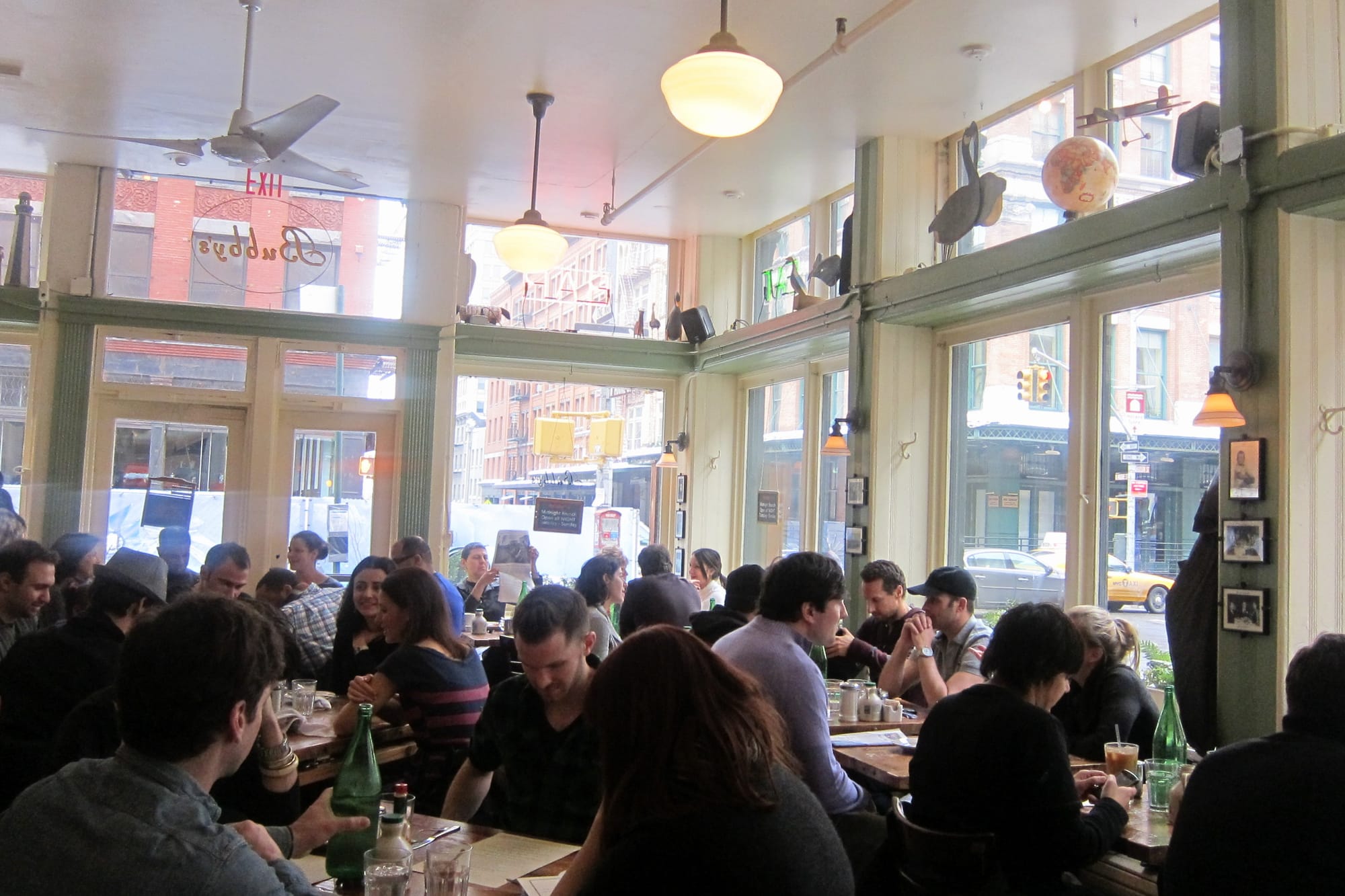
- Bubby's (120 Hudson Street): Family-friendly American comfort food with legendary weekend brunch
- Nobu Downtown (195 Broadway): Nobuyuki Matsuhisa's flagship location
Casual Dining & Cafes:
- Bouley at Home (various locations): Gourmet provisions and prepared foods
- Laughing Man Coffee (184 Duane Street): Hugh Jackman's fair-trade café
- Grandaisy Bakery (250 West Broadway): Artisanal breads and pizza
- Blue Bottle Coffee (multiple locations): Third-wave coffee culture
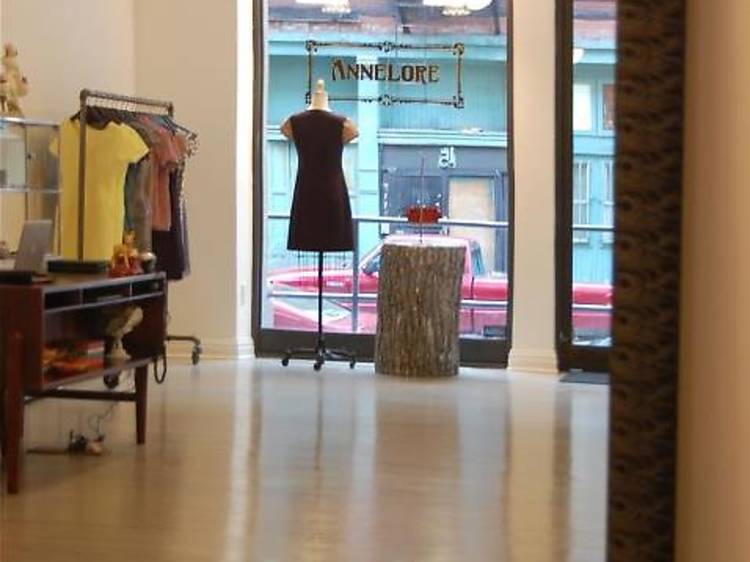
Shopping:
- Whole Foods TriBeCa (270 Greenwich Street): Full-service grocery with prepared foods
- TriBeCa Greenmarket (Greenwich Street): Saturday farmers market (seasonal)
- Issey Miyake (119 Hudson Street): High-end fashion boutique
- Steven Alan (103 Franklin Street): Contemporary clothing and home goods
Cultural Attractions
TriBeCa Film Festival: Founded by Robert De Niro, this annual event in April/May transforms the neighborhood into a celebration of independent cinema.
Film Forum (209 West Houston Street): Just north of TriBeCa, this nonprofit cinema screens independent, foreign, and classic films.
The Roxy Hotel Cinema: First-run and curated films in an intimate setting.
TriBeCa Transportation & Commuting
TriBeCa offers exceptional subway access for commuters heading to Brooklyn, Midtown, or the Financial District:
Subway lines:
- 1, 2, 3 trains at Chambers Street and Franklin Street
- A, C, E trains at Chambers Street/World Trade Center
- 4, 5, 6 trains at Brooklyn Bridge-City Hall
- R, W trains at City Hall
NJ Transit & PATH access: Nearby World Trade Center station provides direct connections to New Jersey, making TriBeCa ideal for professionals working in Jersey City or commuting to Newark.
For Brooklyn buyers: TriBeCa's proximity to Brooklyn Bridge and multiple subway lines makes it an easy transition for Brooklyn families seeking Manhattan's urban energy with a neighborhood feel.
Is TriBeCa Right for Your Family?
TriBeCa is ideal if you:
- Want a quieter, more residential Manhattan neighborhood
- Prioritize outdoor space and waterfront access
- Seek top-rated public schools
- Prefer condos over co-ops for purchase flexibility
- Value celebrity privacy and discretion (many celebrities call TriBeCa home)
- Work in Lower Manhattan or need easy NJ commute access
Consider alternatives if:
- Your budget is under $1.5M (consider Battery Park City, Civic Center, or Financial District)
- You prefer a more vibrant nightlife scene (look at West Village, SoHo)
- You need more co-op options (explore Upper West Side, Upper East Side)
Working with a TriBeCa Real Estate Expert
Navigating TriBeCa's luxury market requires local expertise and certified negotiation skills. Whether you're relocating from Brooklyn, New Jersey, or moving from another Manhattan neighborhood, understanding new development offerings, condo board packages, and neighborhood micro-markets is essential.
Key considerations when buying in TriBeCa:
- New development vs. resale pricing strategies
- Tax abatement timelines and impact on long-term costs
- Building amenities: Which justify premium pricing?
- Rental income potential for investment buyers
- Proximity to schools (PS 234 zone is highly competitive)
- Understanding NAR settlement changes for buyer representation
With over 30 years of experience helping families navigate New York and New Jersey real estate markets, I specialize in matching buyers with the perfect TriBeCa property. As a Certified Negotiation Expert, I ensure my clients secure the best possible terms in this competitive market.
Ready to explore TriBeCa living? Contact me today for a personalized neighborhood tour and access to off-market listings.
About the Author: Laurie is an Associate Broker with Corcoran, specializing in Manhattan and Brooklyn real estate with over three decades of experience. Serving buyers and sellers throughout New York City and Monmouth County, NJ. Learn more about working with Laurie.



Member discussion