The Brooklyn Pulse: What July's Numbers for Condos & Co-ops Reveal About the Borough's Most Coveted Corners
here is a particular kind of confidence that settles over a neighborhood when the market starts paying attention to it. July's numbers confirm what Cobble Hill and Carroll Gardens have known all along — and the data tells a story worth reading.

There is a particular kind of confidence that settles over a neighborhood when the market starts paying attention to it — a confirmation, in cold hard numbers, of what residents have known for years. According to The Corcoran Report's July 2026 data on Brooklyn condos and co-ops, that confirmation has arrived, and it is arriving loudest in the neighborhoods we love most.
Brooklyn-wide, 360 contracts were signed in July — a 27% jump from the same month last year, and the strongest July the borough has seen in three years. Average days on market fell to 91, a five-year July low. Buyers are moving faster, and they are moving with intention. Here is where.
Carroll Gardens, Boerum Hill & Red Hook: The Breakout Story
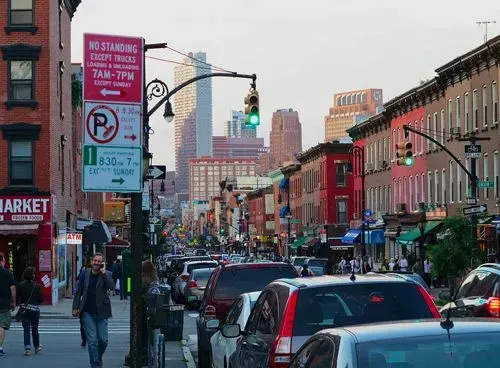
If one figure from this report deserves a headline of its own, it's this: contract activity across Carroll Gardens, Boerum Hill, and Red Hook rose 163% year-over-year, from 8 signed contracts in July 2025 to 21 this July. It is, by a wide margin, the sharpest gain of any submarket in Brooklyn.
Design-minded buyers have long understood the appeal here — the pre-war townhouse stock, the tree-canopied side streets, the way Smith and Court Streets blend independent boutiques with genuinely excellent restaurants without ever tipping into precious. What the data now shows is that this appeal has crossed over from insider knowledge to market consensus. A neighborhood this steeped in architectural character rarely announces its arrival; it simply, quietly, becomes impossible to get into.
Brooklyn Heights, Cobble Hill, Dumbo & Downtown: Steady, Substantial Growth
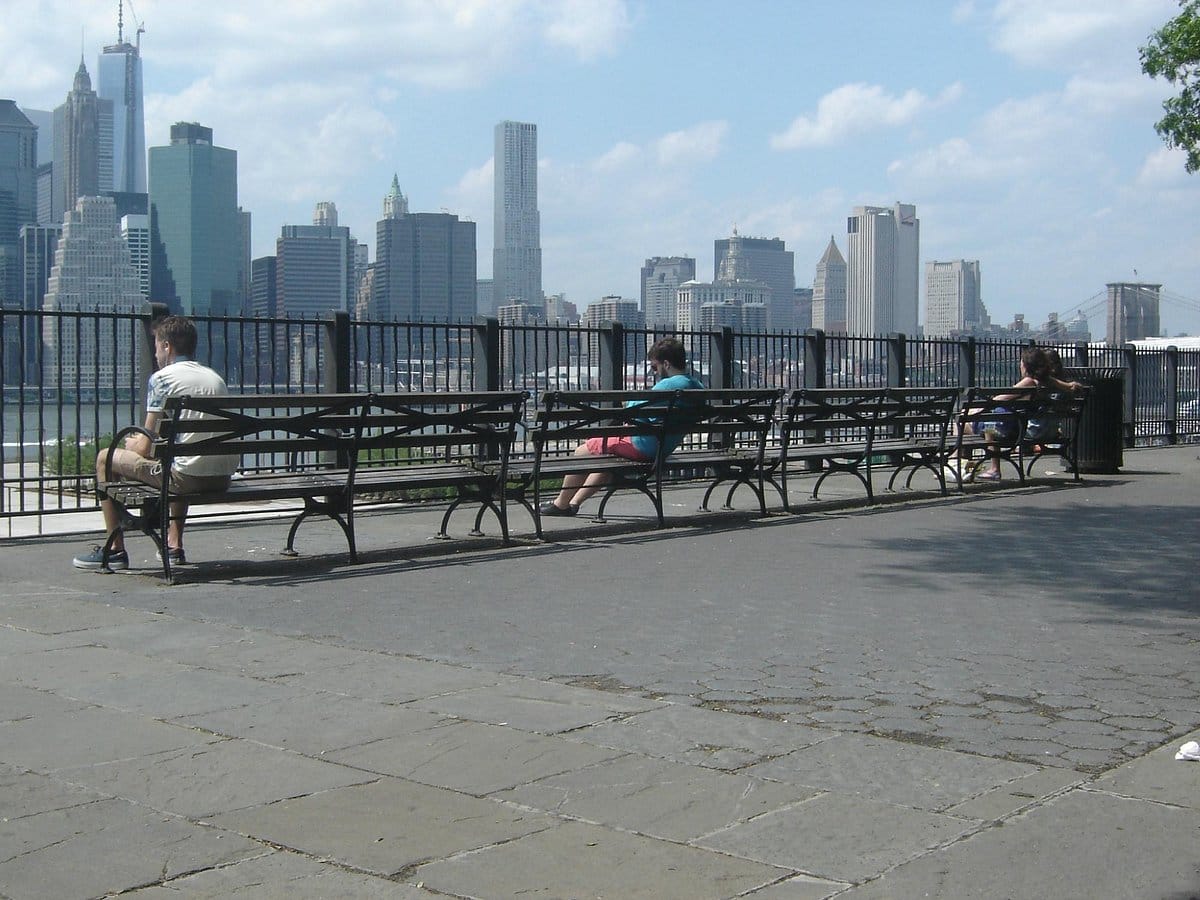
This corridor posted 53 signed contracts in July, up 66% from 32 a year prior — the second-largest submarket by volume in the entire borough, trailing only South Brooklyn.
It's a fitting number for a stretch of the borough that has always traded on gravitas: the brownstone rows of Cobble Hill, the promenade views from Brooklyn Heights, the industrial-glam conversions of Dumbo. This is where old Brooklyn's architectural pedigree meets new Brooklyn's design sensibility, and the contract volume suggests buyers are no longer treating that combination as a compromise — they're treating it as the whole point.
Fort Greene, Clinton Hill & Prospect Heights: Quiet, Consistent Momentum
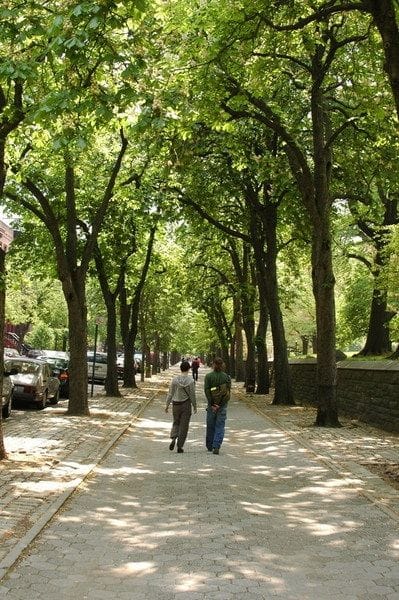
A 25% year-over-year increase (30 contracts, up from 24) puts this submarket squarely in line with the borough's broader growth story — not the flashiest number in the report, but arguably the most sustainable one. These neighborhoods have built their reputation over the last decade on a specific formula: soaring pre-war ceilings, proximity to the park and the academy, and a design culture that favors restraint over spectacle. Steady growth, rather than a dramatic spike, tracks with a market that was never chasing a trend to begin with.
Park Slope & Gowanus: The Outlier Worth Watching
Not every neighborhood in this report tells a growth story. Park Slope and Gowanus saw contract activity fall 33% year-over-year, from 39 to 26 — the only decline among the four submarkets we track closely, and one the report attributes largely to fewer resale listings coming to market rather than any softening in buyer appetite.
It's worth reading this figure carefully rather than dramatically. A dip driven by inventory scarcity is a very different story than a dip driven by waning demand — and for a neighborhood defined by its brownstone stock and its proximity to Prospect Park, scarcity is, if anything, a familiar refrain.
The Bigger Picture
A few borough-wide figures round out the story. Active listings rose 14% year-over-year to 1,892 units — the tenth consecutive year-over-year increase — meaning more inventory is meeting, rather than dampening, buyer demand. Average price per square foot hit a July record of $1,179, up 2% annually, marking seven consecutive months of gains. And negotiability tightened to just 0.4% off ask for condos, a signal that sellers in these neighborhoods are holding their ground with confidence.
Taken together, the numbers read less like a market correction and more like a market maturing into what long-time residents already believed: that Cobble Hill, Carroll Gardens, Brooklyn Heights, and their neighboring enclaves aren't just charming pockets of the borough — they're some of the most structurally desirable real estate in New York City.
Download full report here
Data sourced from The Corcoran Report, July 2026 (Brooklyn: Condos & Co-ops), based on REBNY Listing Service and Corcoran's contract data.
Thinking about what these numbers mean for your own move — whether you're weighing a listing in Cobble Hill or wondering if now's the moment to buy in Carroll Gardens? I'd love to talk through it. Reach out anytime at laurie.savino@corcoran.com or 718-309-4054, or find more of my work at www.savinoteam.com.
Comments ()